

The 2025–2026 season has us celebrating 40 years in business as Plant World Gardens and Nursery, and of course Plant World Seeds. Firstly we would like to thank all of our customers, our extensive list of horticultural industry partners, and of course our team throughout the years for their hard work and continued support. Without it we would not be able to continue providing our unique range of quality seeds. The following is an overview of this 40 year journey highlighting just some of the key points in regards to our origins and ongoing ethos…
Where it all began…!
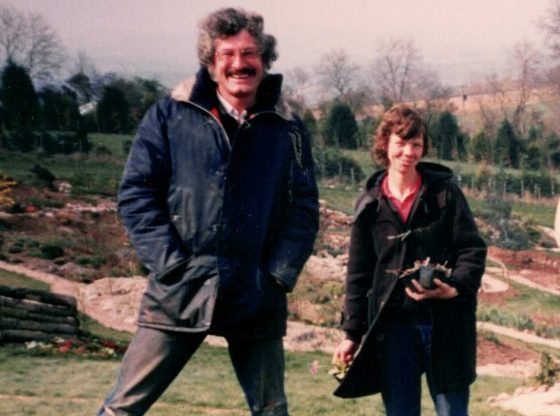
The story begins 10 years before the creation of Plant World Seeds in 1974 when Ray and Linda Brown, both in their 20’s, gave up their careers in metallurgy and nursing to live a different life. After deciding to up sticks and sell their small Coventry house, they bought a 16 foot caravan, towed it to the Scottish Western Highlands, and survived the first cold winter on the banks of deep Loch Garry. Ray soon found work as a forestry employee, leading to the discovery of a row of four ancient, derelict and tumble-down alms houses, well-hidden out of the way along a bumpy track, in the mountainous highlands.
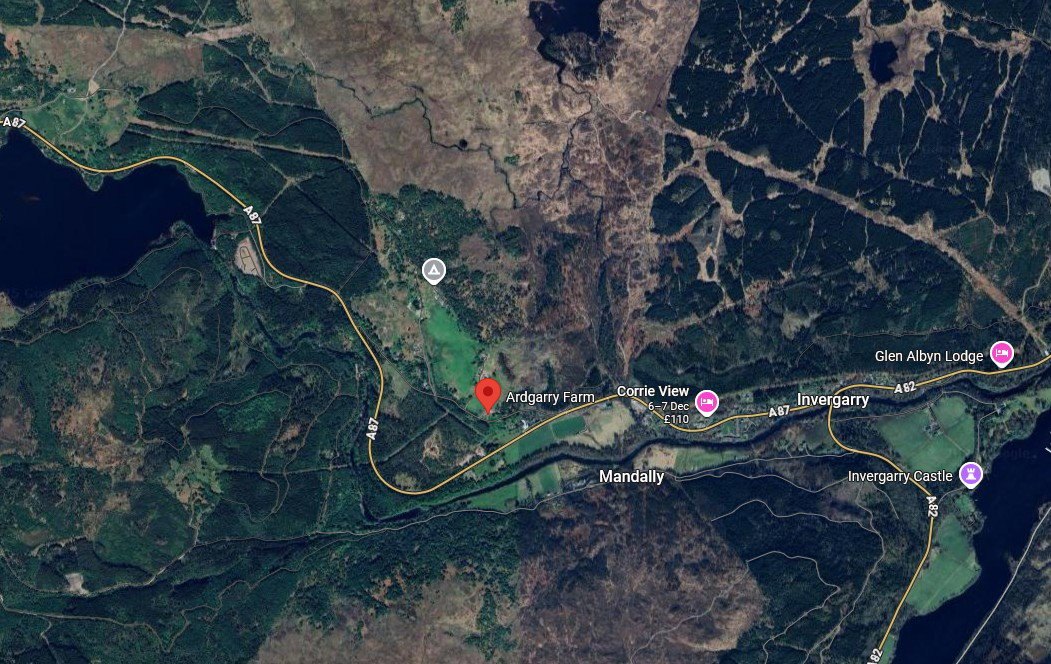
Much of the proceeds from the Coventry house sale, some £3,000, went to purchase the historic ruins situated on the half an acre plot. Ray and Linda set about the restoration of the property. Fortunately they obtained permission to use free building materials, including stone and valuable slates from an ancient local demolished hotel. After much arduous hard work by them both, the ruins evolved into a guest house for tourists, and customers began to find them. More back-breaking work saw the boggy land drained, and converted into a beautiful mountainside garden.
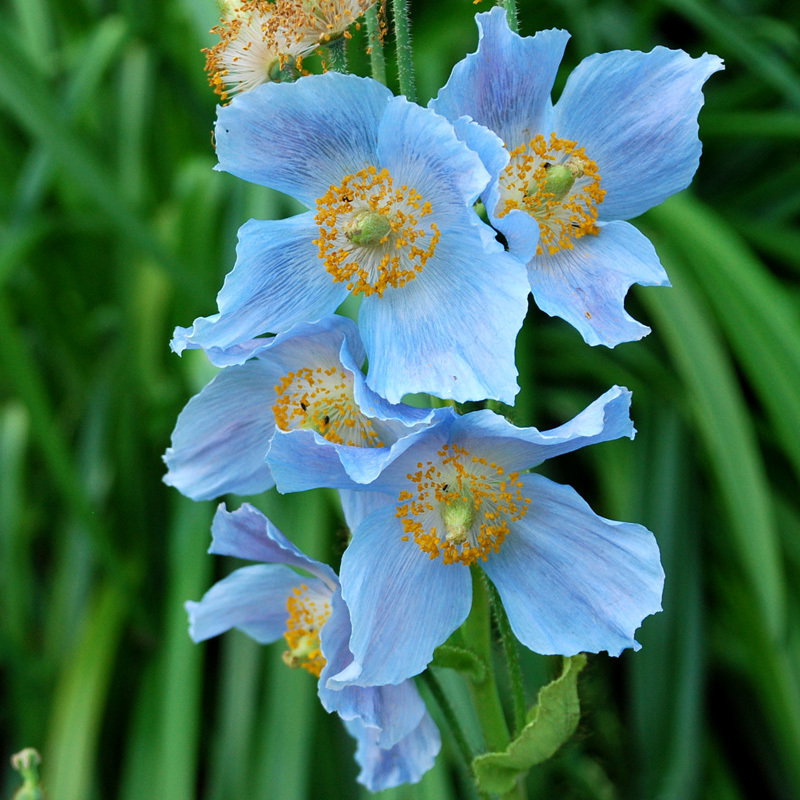
Intrigued bed and breakfast guests often asked for pieces of the unusual flowers in the garden, including hardy terrestrial orchids, which seeded prolifically, especially blue poppies, which were grown from seed obtained after Ray joined the Alpine Garden Society and the Scottish Rock Garden Club. These had and still have excellent seed exchanges and were an essential source for many of the difficult to grow plants that thrived in the exceptionally wet and cold mountain air environment.
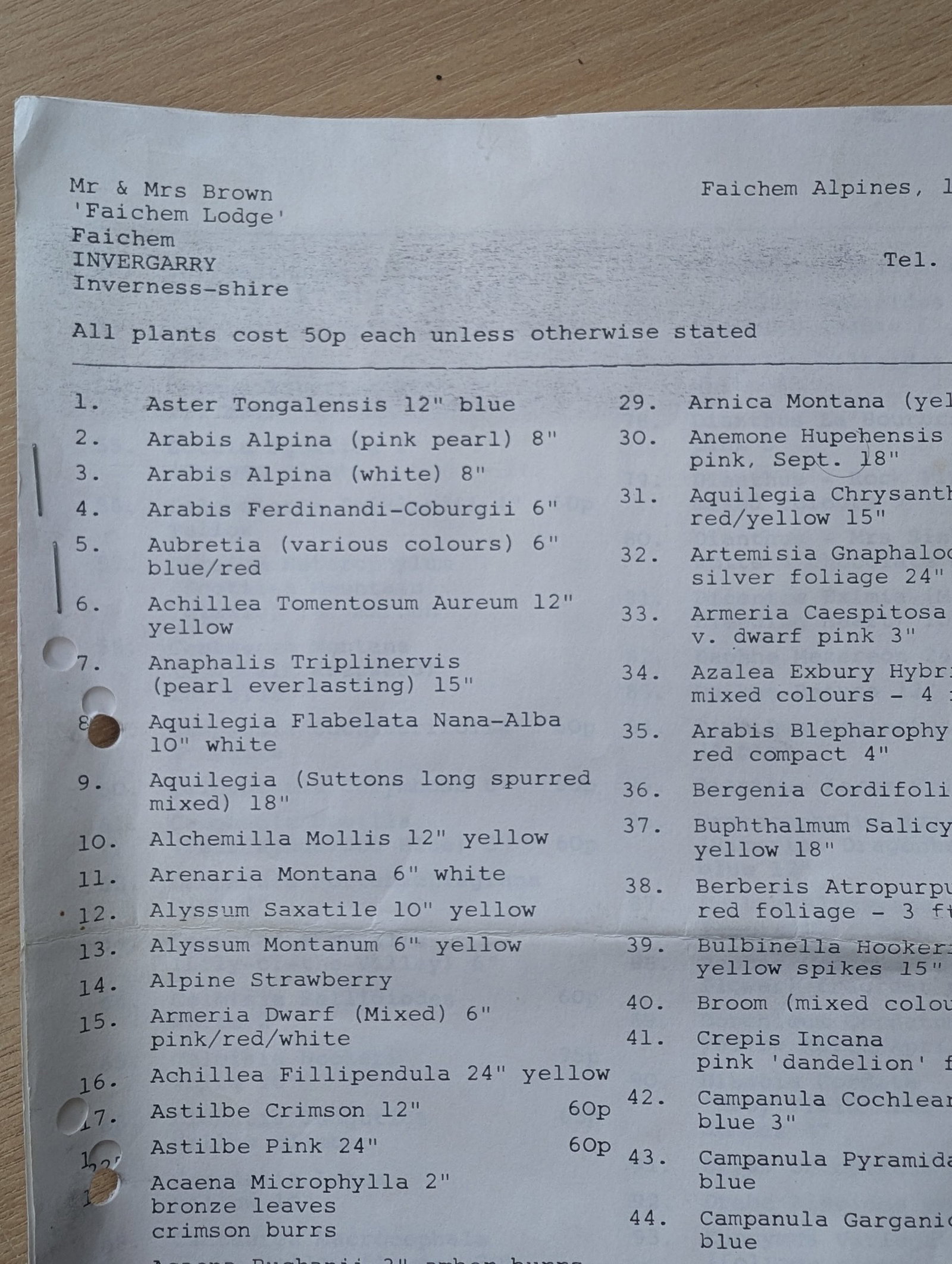
Ray soon realised that there was a business opening for an alpine plant nursery. And so, his 8 foot square greenhouse soon became a propagating house for thousands of different unusual plants. To aid in Ray’s endeavour his American botanist friend, Randal, who worked at the Edinburgh botanic gardens at the time, donated to Ray a shoe box full of surplus (out-of-date!) seeds, which became the nucleus of seedlings for Faichem Alpine Gardens, Invergarry.
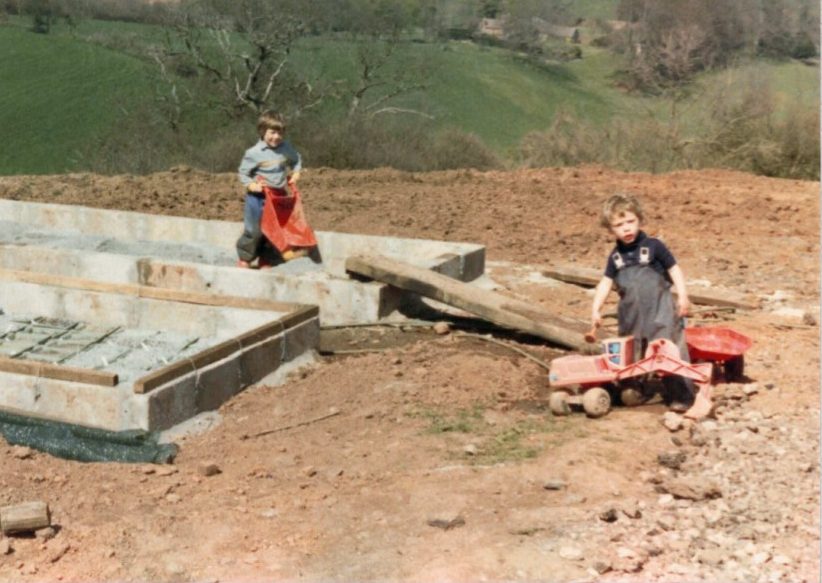
In 1982 baby Adam arrived, soon to be followed in 1983 by Martin. Subsequent education was discovered to be difficult to organize in the depths of the Highlands, so Ray and Linda decided to relocate to somewhere a little warmer. A visiting customer, Gillian West, told Ray that she had a plant nursery in Devon, and recommended it as a beautiful place to start a nursery. So, in just a few hours Ray decided this was where they would relocate. The discussion with Gillian subsequently involved what sort of new, original and unique garden Ray should build to go alongside the newly proposed nursery in Devon.
Plant World is born….
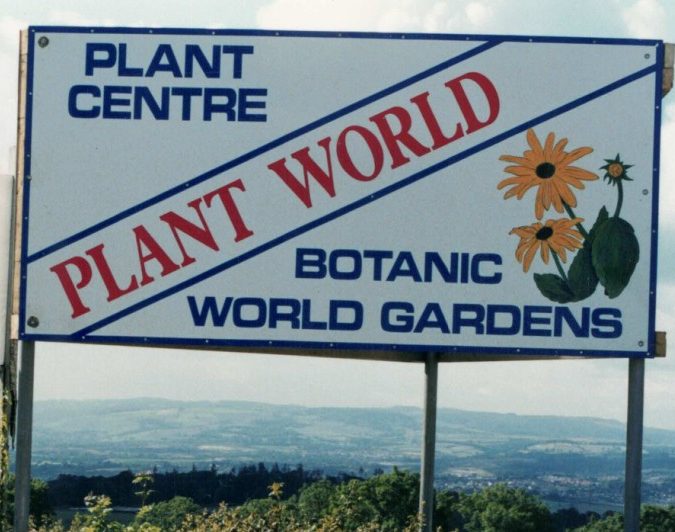
After much pondering Ray realised that it was essential to do something completely novel in the world of gardening ....so there it was! The new concept was obvious! The garden would be built as an enormous world map, every continent having the correct native plants, including trees, shrubs and alpines.
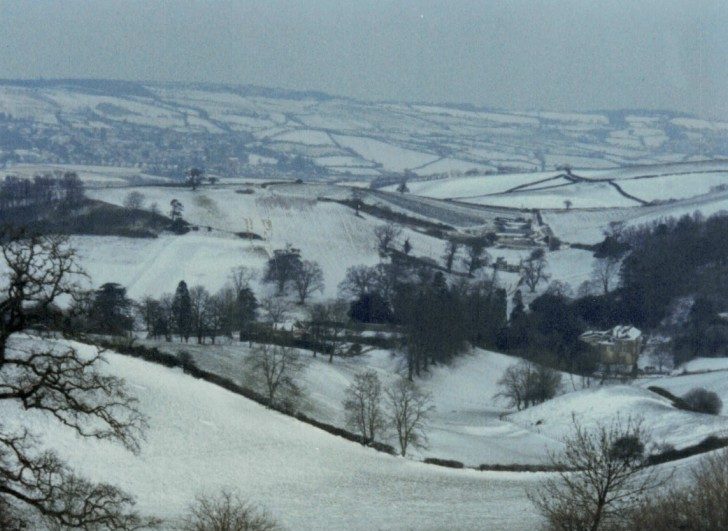
The autumn of 1984 saw the highland house and nursery mothballed. The family of four spent the winter of 1984–85 touring the West Country, especially Devon, in their old Volvo estate, caravan in tow as their accommodation, desperately searching for the right location. Finally, on a very high snow covered hilltop, near to the market town of Newton Abbot, they discovered a steeply sloping four acre field, with the most magnificent northern views over the River Teign estuary, the seaside town of Teignmouth and Lyme Bay to the east and Dartmoor to the west.
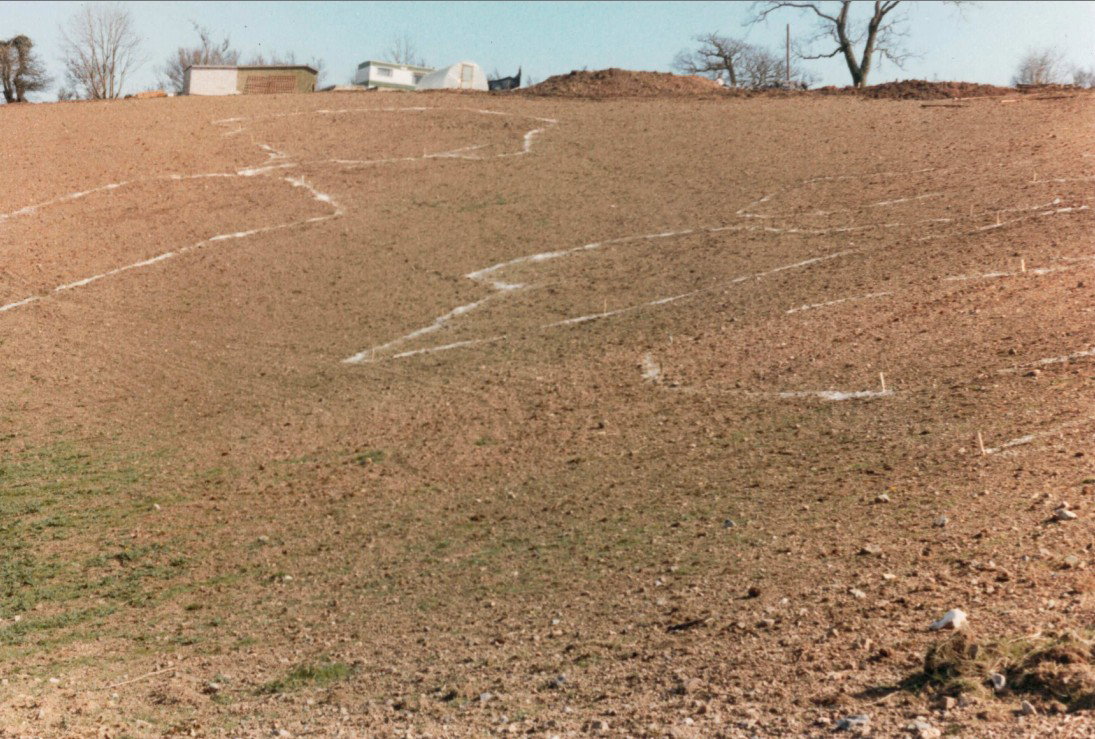
Brambles and perennial weeds grew thickly, but a kindly local farmer helped clear them before finally ploughing and harrowing the land to make it workable. Ray’s next task was now to sketch out his world map, using buckets of ground limestone to draw his design, until the entire hillside had the continents of the world neatly laid out upon it. Once complete another kindly local, this time a local builder, used his seven ton JCB to move hundreds of tons of soil about on the appropriate areas where mountains and land masses were to lie, additionally digging out areas where ponds were planned. Local planners shook their heads and frowned....
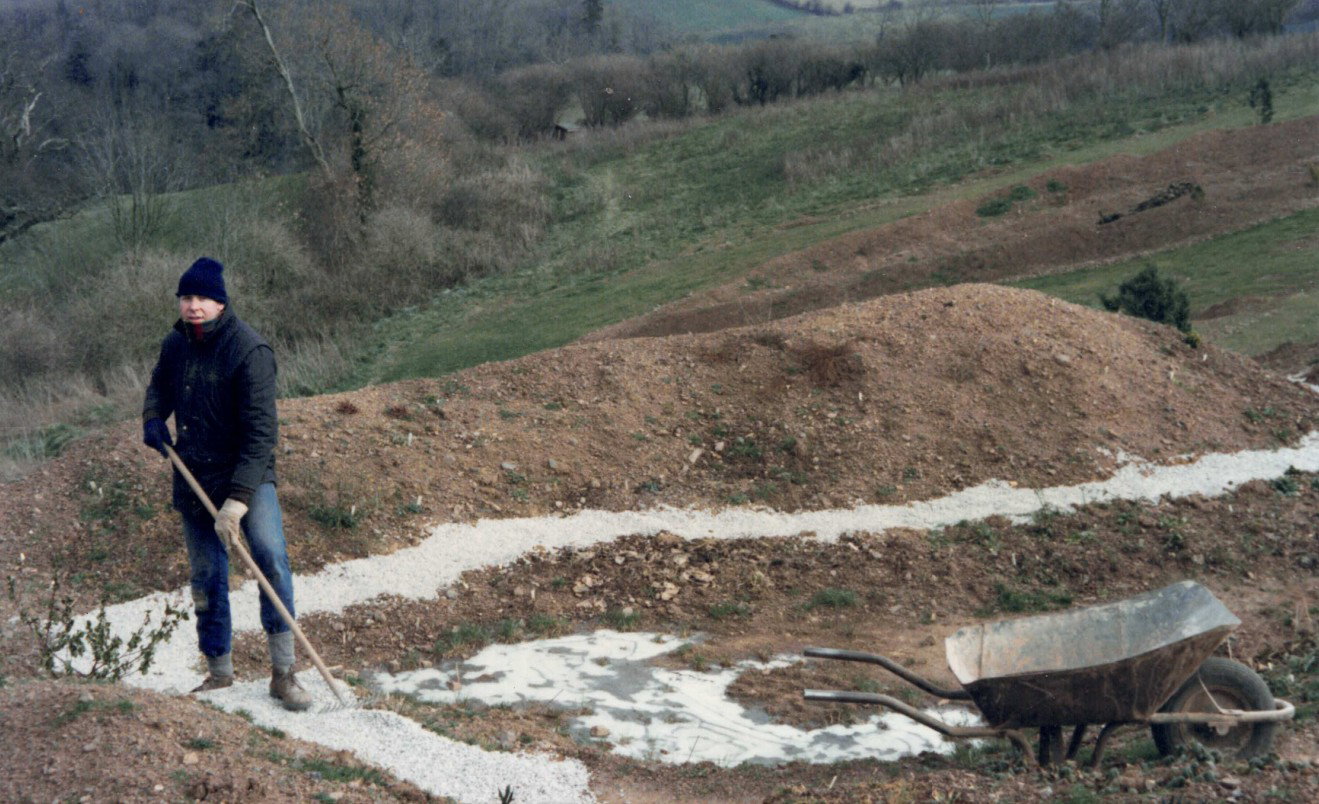
But the project continued, the next step being to prepare the newly sculpted design. Tons of small rocks and stones were raked off and barrowed away by hand to be utilised later, until the areas could be used. Numerous steps and gravel pathways were built joining all of the countries and continents together. Shallow trenches were dug to accommodate armoured electric cables and water pipes for irrigation and water features. Lorry loads of local stone from a nearby demolition site were obtained cheaply to construct rock gardens and features. All in preparation for the next big task, planting…..
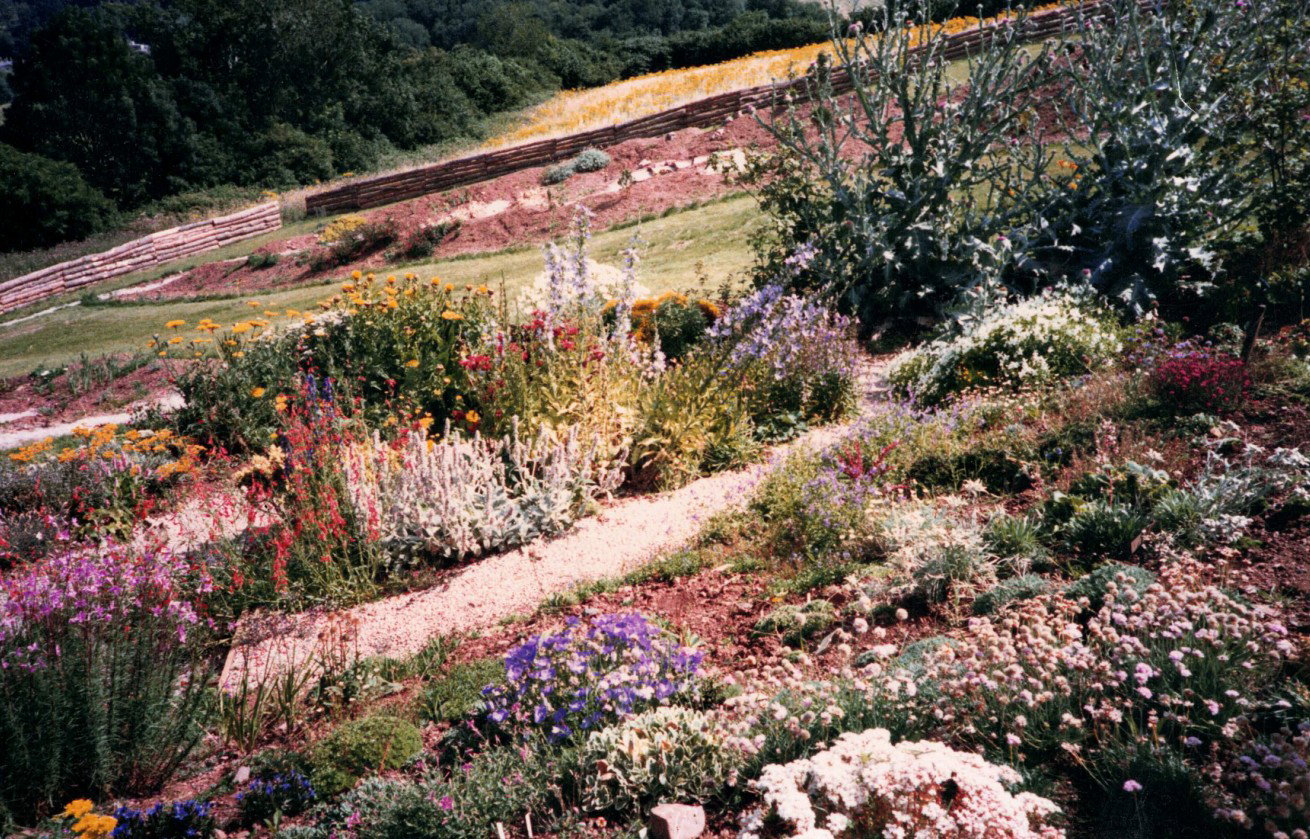
Tens of thousands of tiny potted plants needed to be arranged and planted into their correct countries. Ray had transported many of these down from the Highlands of Scotland to his sisters back garden in the Midlands, to store until the site was ready. Many more plants would be grown from seed and cuttings over the coming years before being planted in the garden of the world to mature. 40 years later many of them can still be seen today, not as seedlings but as majestic specimens to rival those found in many famous arboretums.
The Seeds…
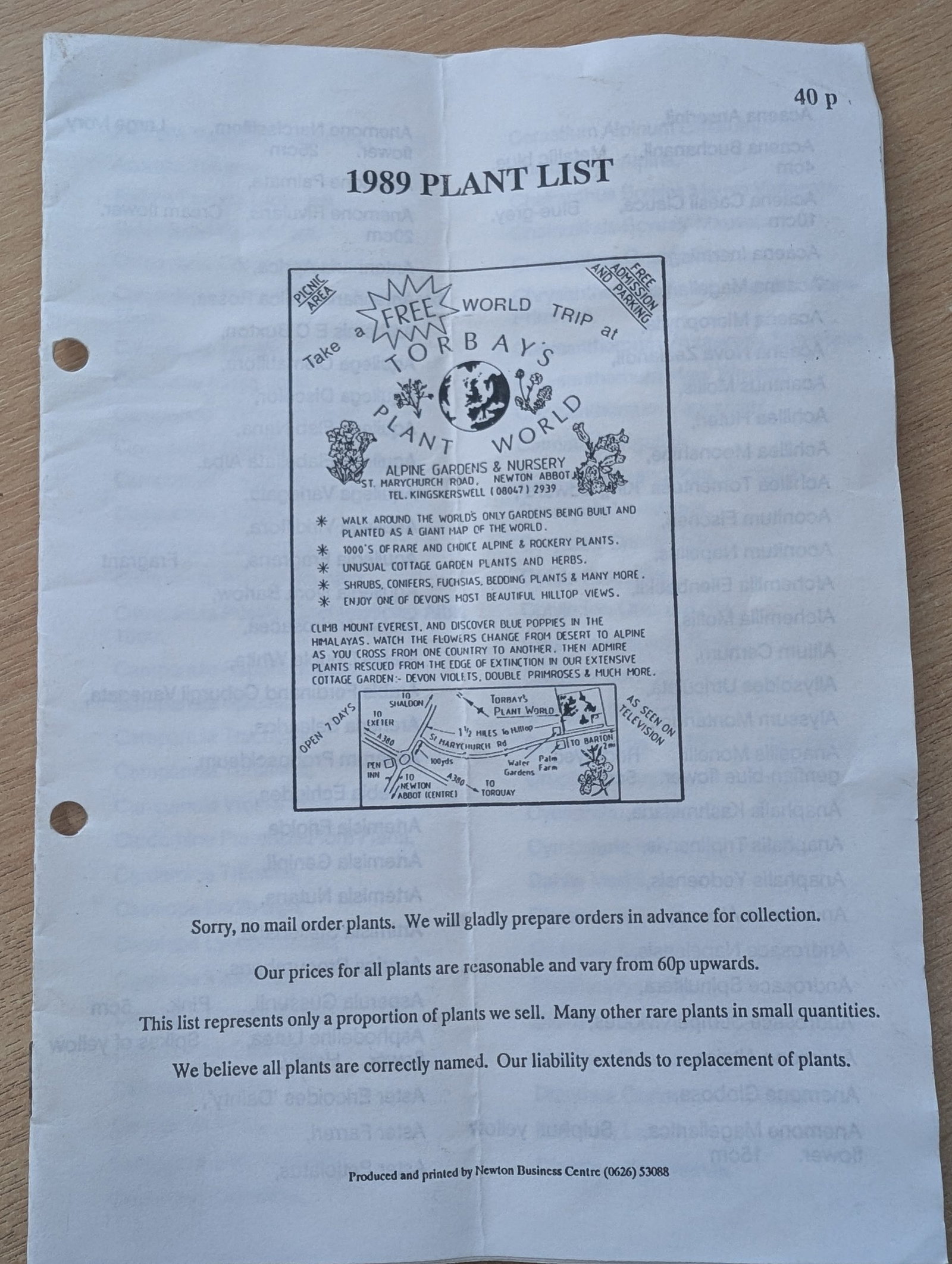
Ray's small Scottish greenhouse was the original source and selling point at the time, for his 50 pence packets of seeds at Faichem Alpine Nursery in Scotland. So it was a natural evolution after the move to Devon to also collect and sell seeds from the newly created Plant World gardens. And so Plant World Seeds was born. Ray and Linda initially produced a homemade black and white seed list, this list as it expanded slowly became the full colour paper catalogue that Plant World still produces today, but it did not stop there…
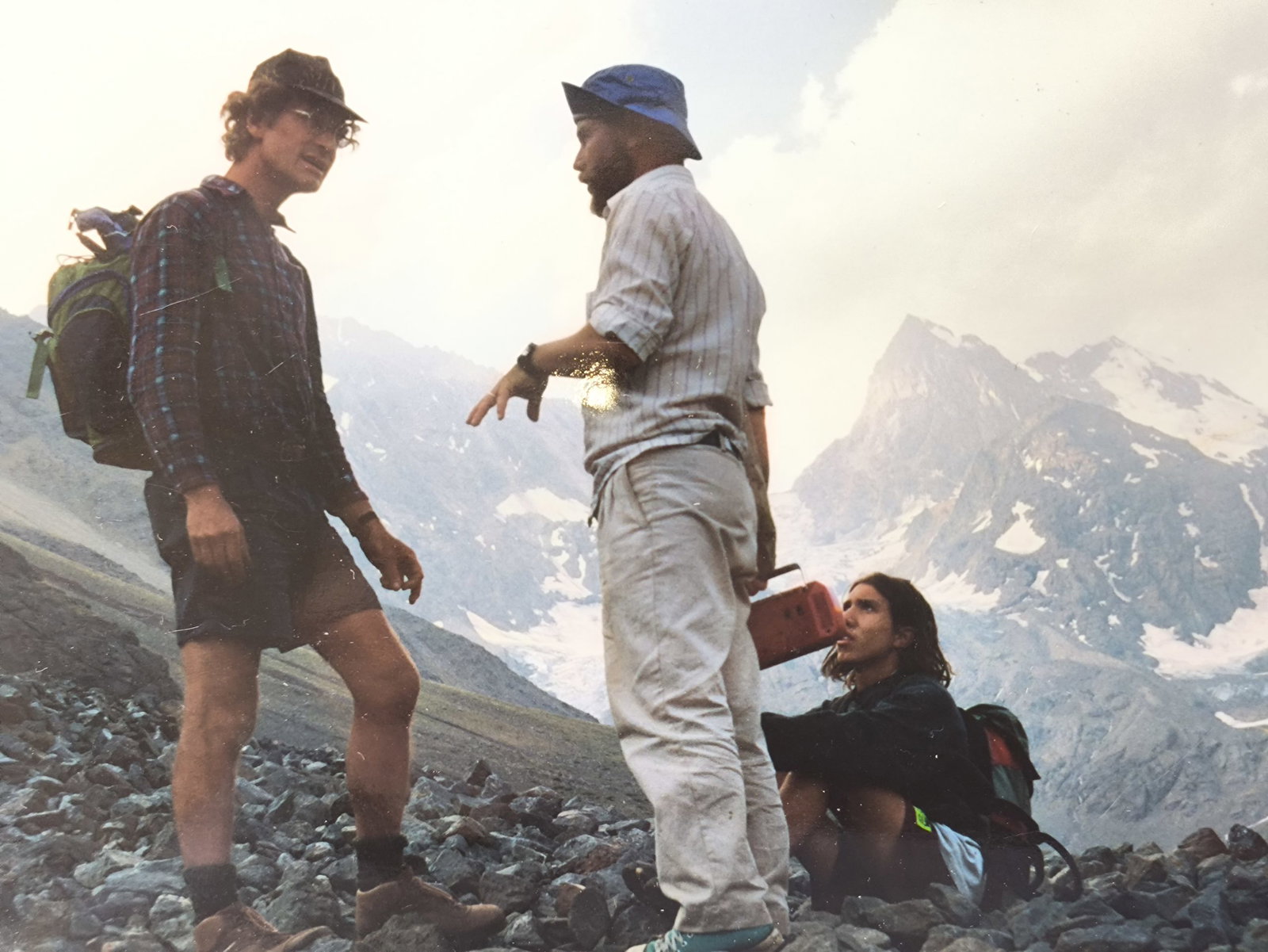
Over the years Ray built up an extensive network of friends and contacts with whom he exchanged and sourced many new varieties of seeds, which were used to grow plants for the gardens or to sell in the ever expanding seed catalogue. Ray, in his younger years, took part in several organised expeditions alongside other intrepid seed hunters in the search for nature’s botanical wonders. These included expeditions to Sakhalin, the Himalayas and South America amongst others. At the heart of these seed expeditions was an ethos of sustainable sourcing of seeds, and a passion for keeping many rare and unusual plants in cultivation. This in an effort to preserve bio diversity and bring the joy of growing to enthusiastic gardeners all over the world
As the internet became more widely available and prominent in all of our lives, Ray and Linda’s son Martin, by now at university studying computer science, decided to produce their first basic website selling Plant World Seeds Online. Slowly this aspect evolved to become the predominant focus of the business. The range of seeds continued to expand and Plant World continued to grow. The seed website has been through several iterations since its inception, with the latest, most feature-and-information-packed version being launched in our 40th year.
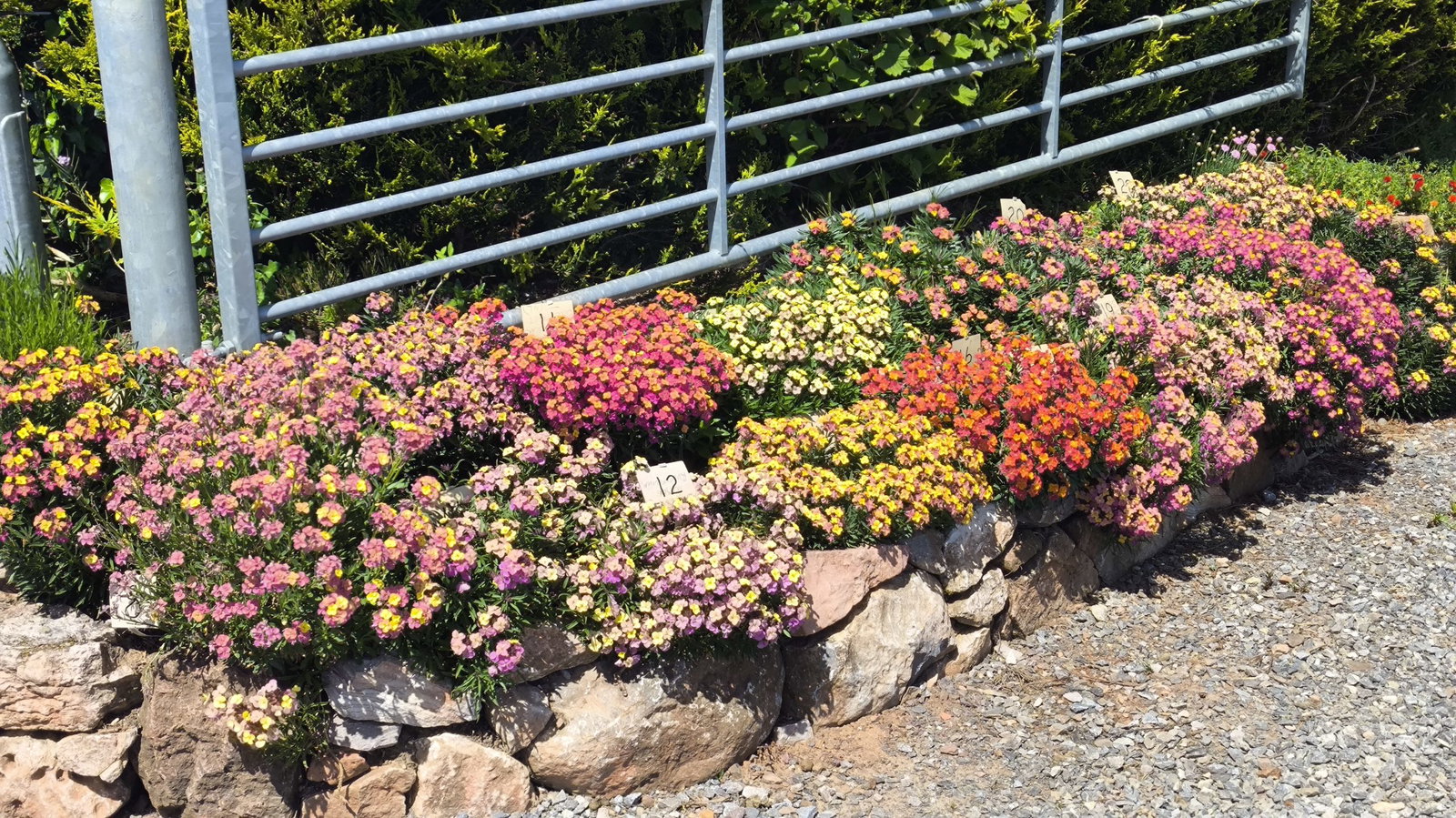
During our 40 year history Ray has also dabbled in breeding new plants, finding numerous lovely new colours and hybrids of many genera and species, which are still sold commercially today. He has successfully produced new forms of many popular garden plants, eg Astrantia, Erysimum (wallflowers) and even pure golden foliage Lupins to name but a few, more about this coming soon…
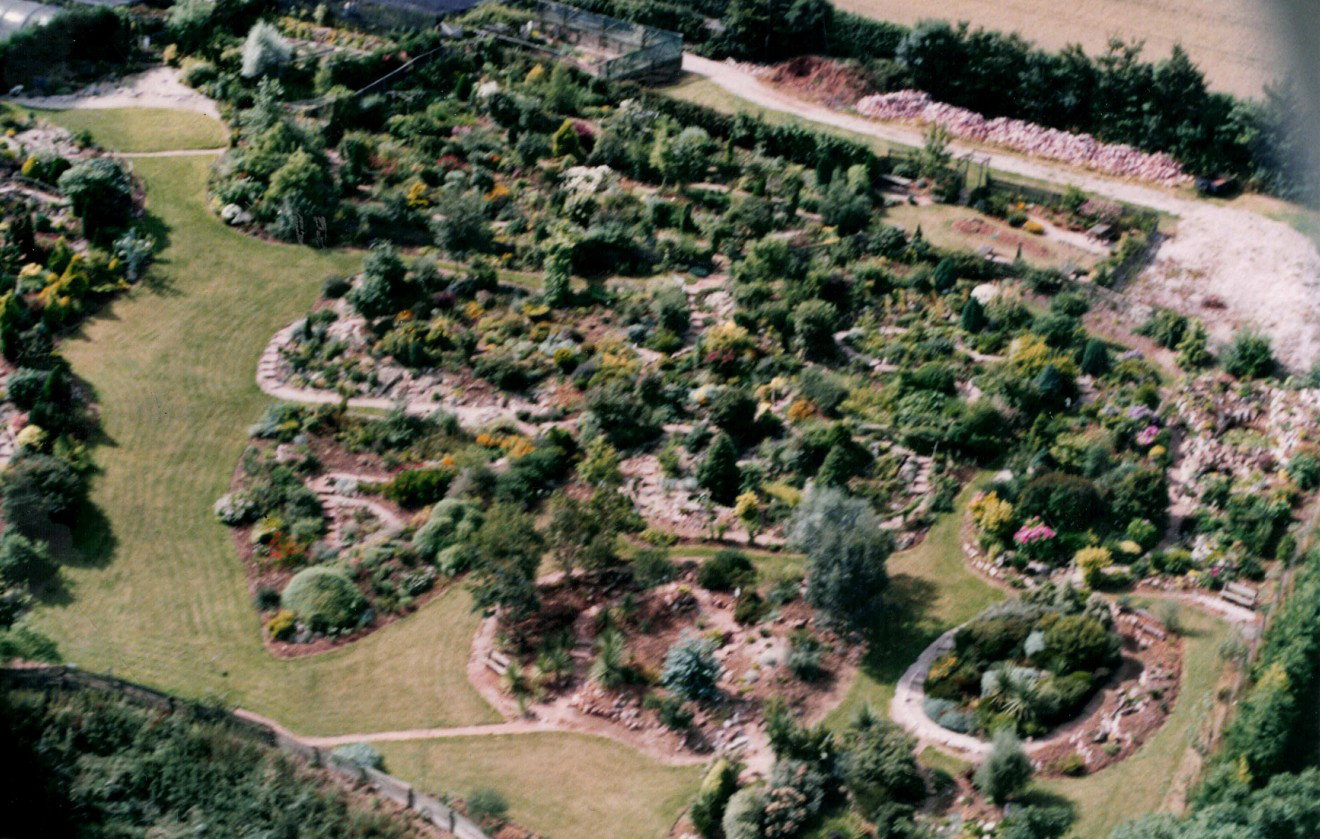
From Past, to Present, to Future…
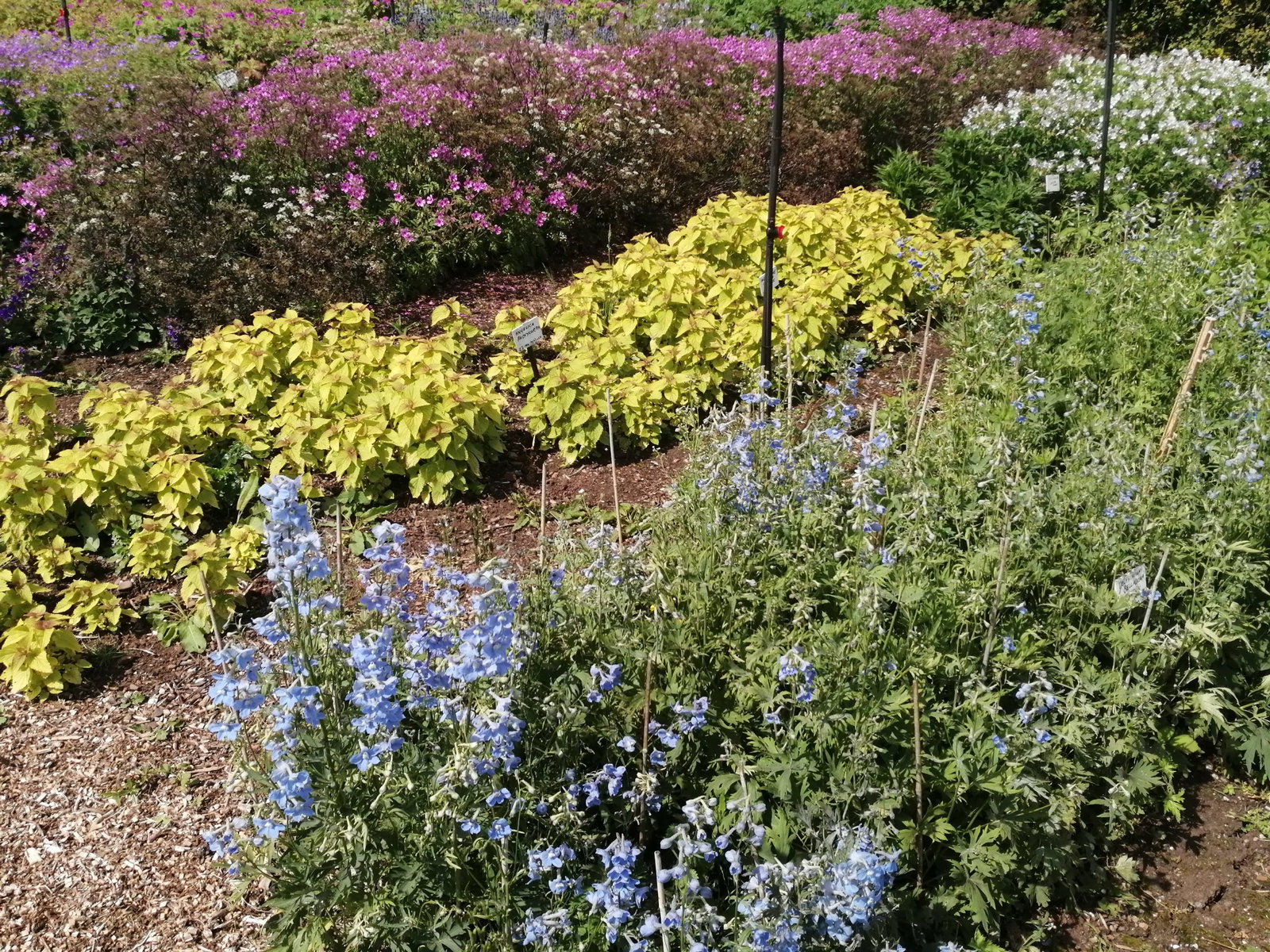
Plant World now extends to nearly 50 acres, much of which is used to grow large numbers of unusual seeds, as well as many garden favourites, not only for our retail seed customers but also for other seed companies both large and small that we supply, both in the UK and worldwide. Some of our specialities today include but are not limited to, just to name a few… Meconopsis, Echiums and Heirloom/Heritage Tomato Seeds.
With the increasing effects of global climate change ever more apparent, we at Plant World Seeds have notice the shift in botanical biodiversity in the UK especially. These new normals have greatly informed our production processes, growing decisions, and our selection of crops. 20 years ago we would not have dreamed of growing and breeding vast numbers of Echium plants, which are perfectly suited to our increasingly warm weather. They now happily sit out unprotected during most winters with recent years producing bumper crops of seed.
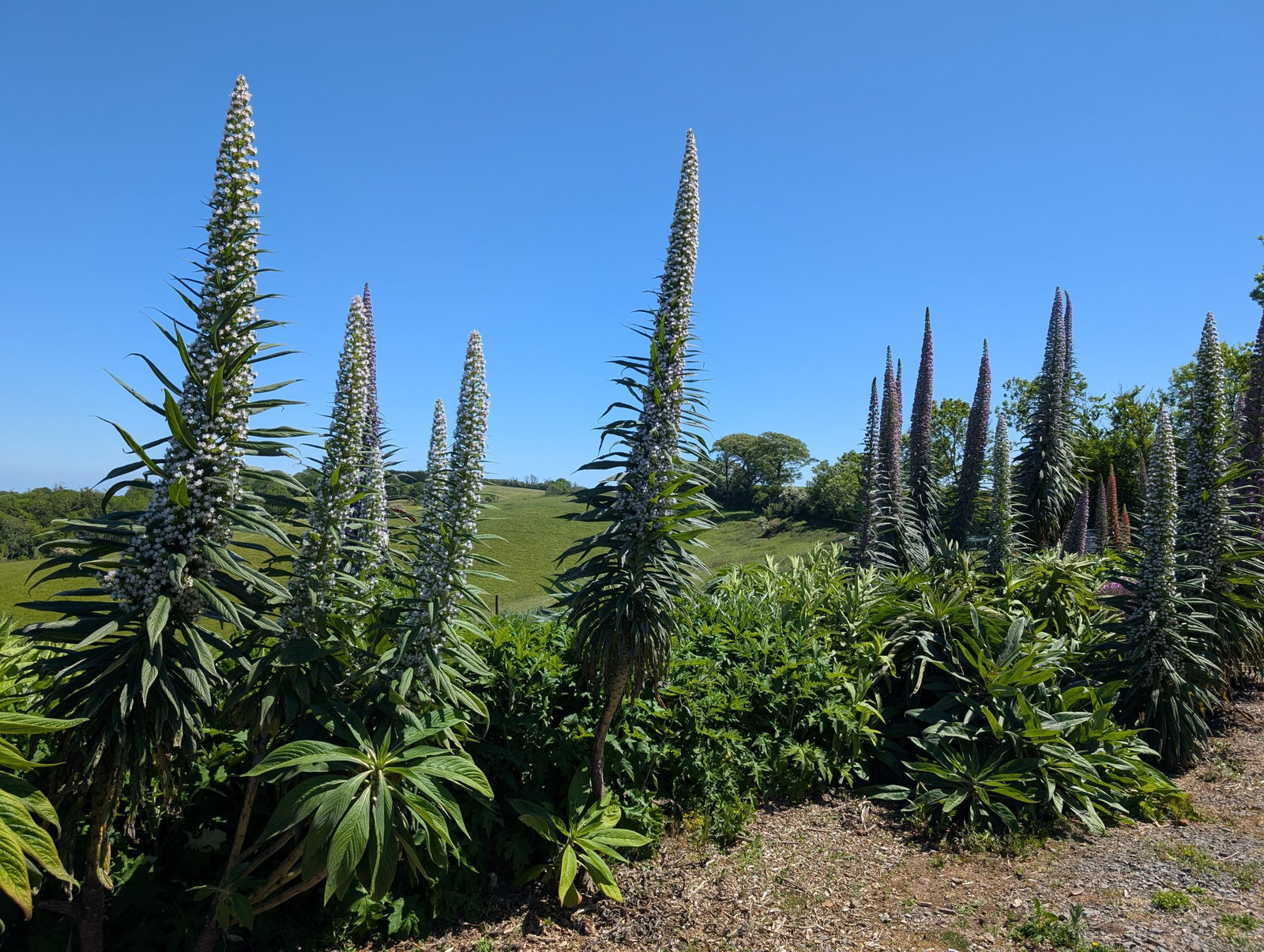
On a positive note this has greatly benefited our pollinators with bees being drawn to large extravagant flowers such as Echiums as if they are magnets. An opposing scenario is that we are finding it ever more difficult to grow our favourite Meconopsis seeds, with the hotter dryer summers in recent years, these now requiring special, almost artificial growing environments.
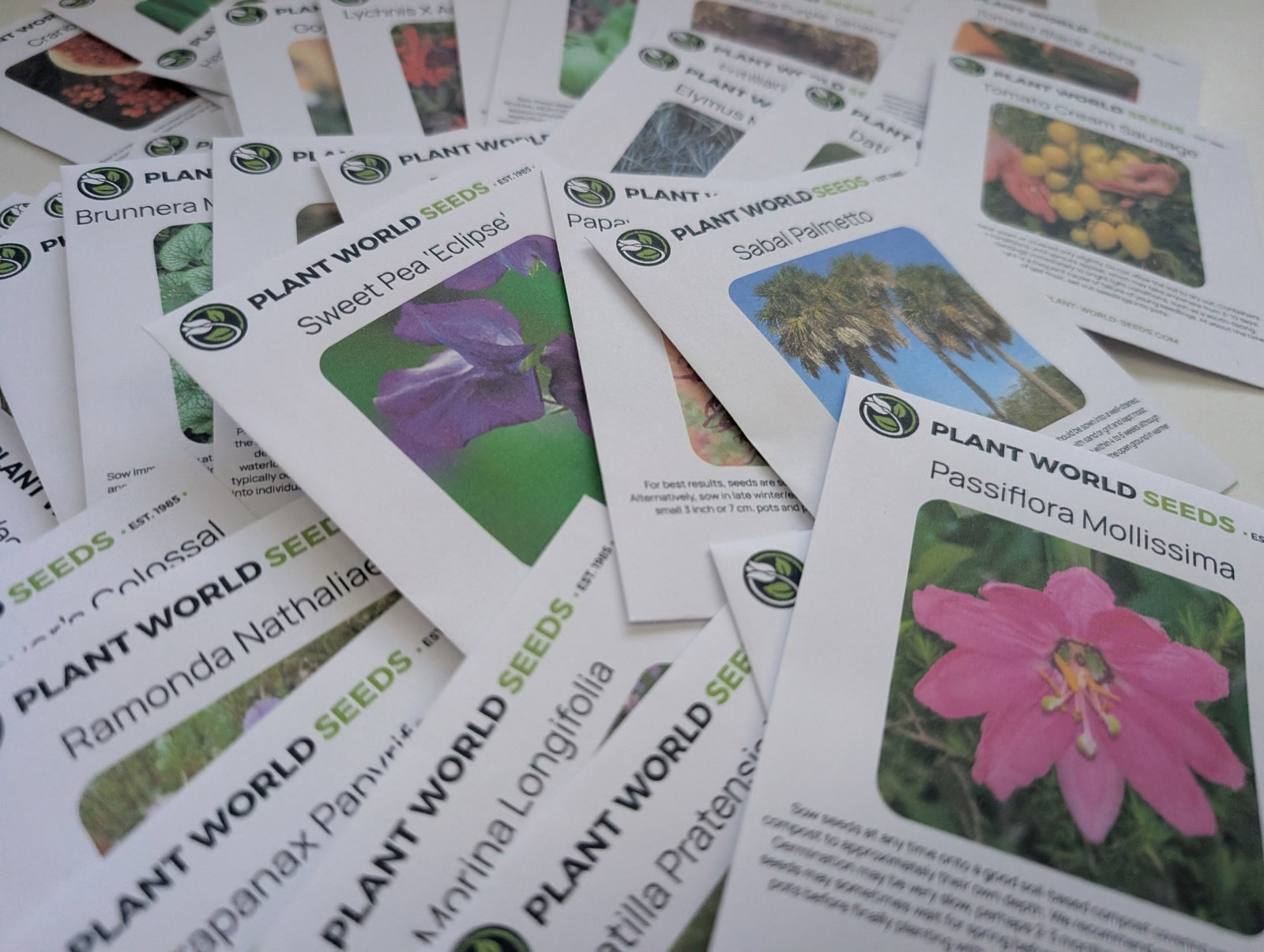
All of this reinforces why we continue with our company principles, which are to ensure that the rarest, most unusual and exquisitely exotic seeds are kept in cultivation. We strive to keep the diversity of plant life we all enjoy thriving into the future, in both your gardens and ours.
Many thanks
Plant World Team