
The Enchanting Origins of Meconopsis: Jewels of the Himalayas
Few plants capture the imagination quite like the Himalayan blue poppies of the genus Meconopsis. Born in the misty heights of the Himalayas, these ethereal blooms have journeyed from remote mountain passes to grace the shaded corners of British gardens. In this feature, we trace their remarkable origins, celebrate their explorers, and share how to cultivate these living jewels in cool, moist UK conditions — bringing a whisper of the Himalayas to your own garden.
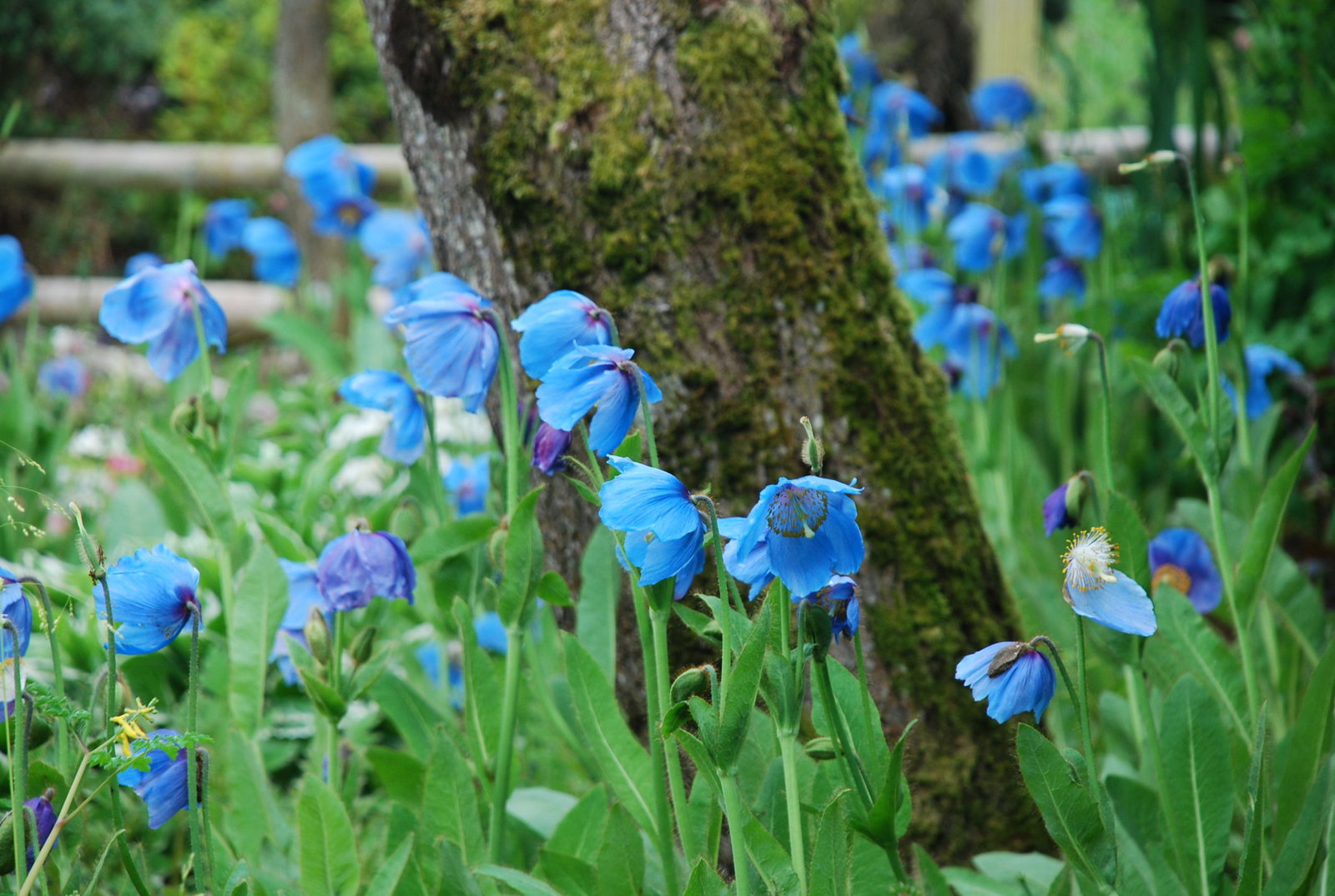
There are few sights in nature more captivating than a drift of Meconopsis — those legendary Himalayan blue poppies shimmering like fallen fragments of sky. To witness them in their native mountain home is to step into a world where the clouds touch the earth, where mist curls around ridges alive with moss and lichen, and where these ethereal flowers rise in tranquil defiance of the cold.
A Genus Born of the Mountains
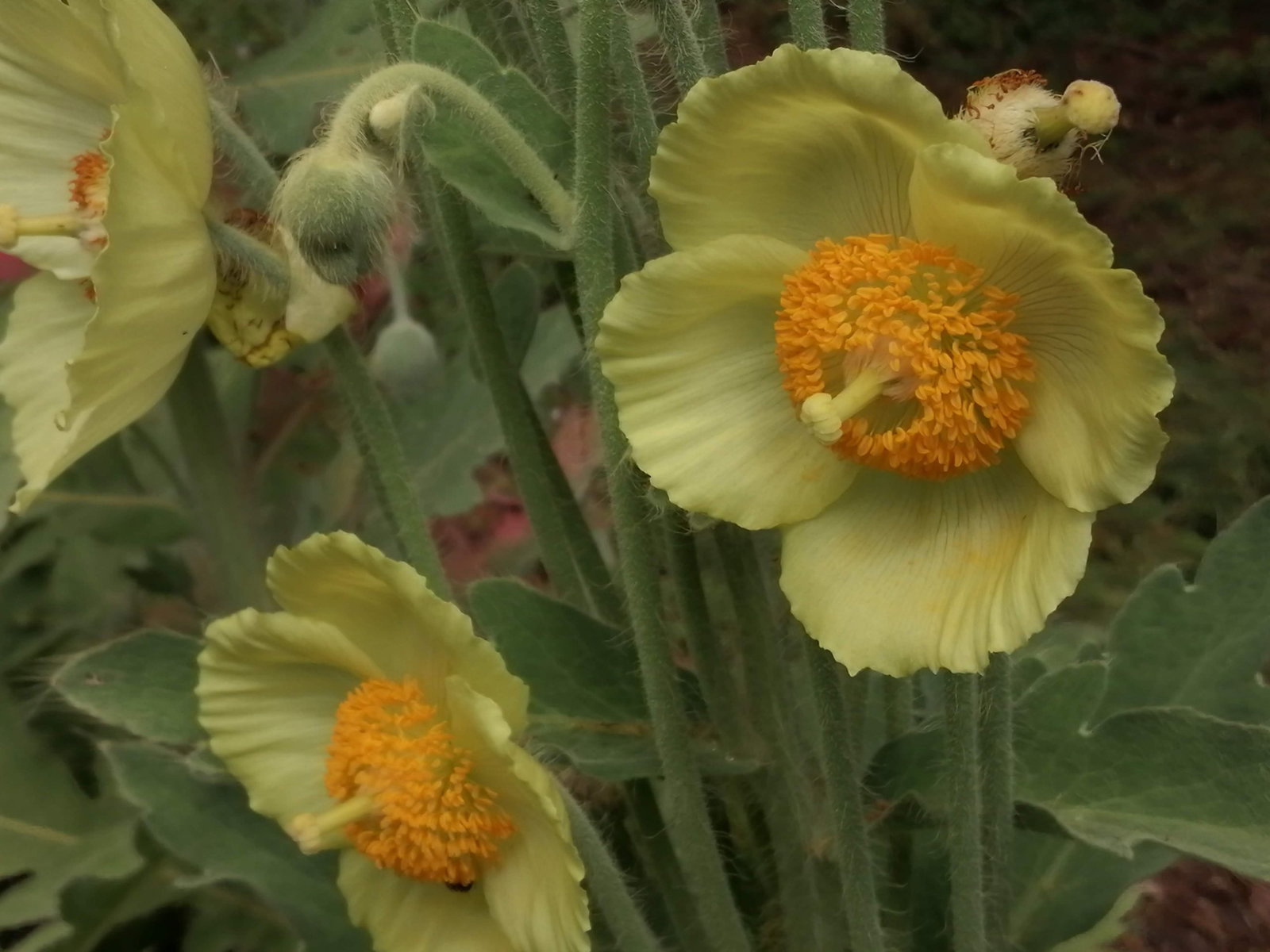
The genus Meconopsis was first described in the early 19th century, its name drawn from the Greek mekon (poppy) and opsis (resembling). Although akin to the true poppies of the genus Papaver, these plants evolved along a very different path — one shaped by altitude, snowmelt, and monsoon. Their ancestral home lies high in the Himalayas, stretching across Bhutan, Tibet, Nepal, and the remote uplands of western China. Here, sheltered in moist alpine valleys and cloud forests, the genus diversified into more than fifty known species. Each one adapted uniquely to its niche, from the stony moraine slopes where glaciers retreat, to mossy forest clearings cooled by perpetual mist.
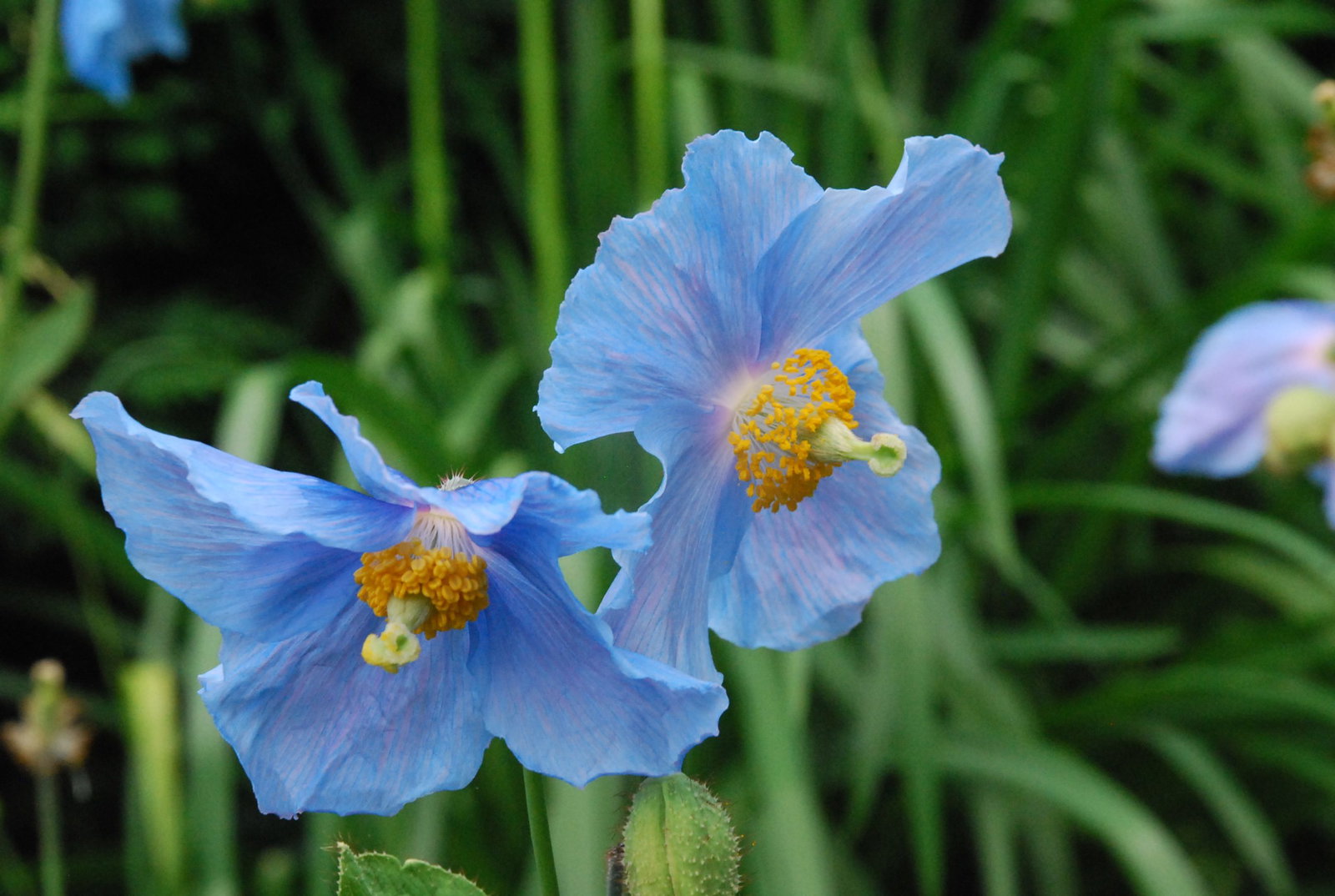
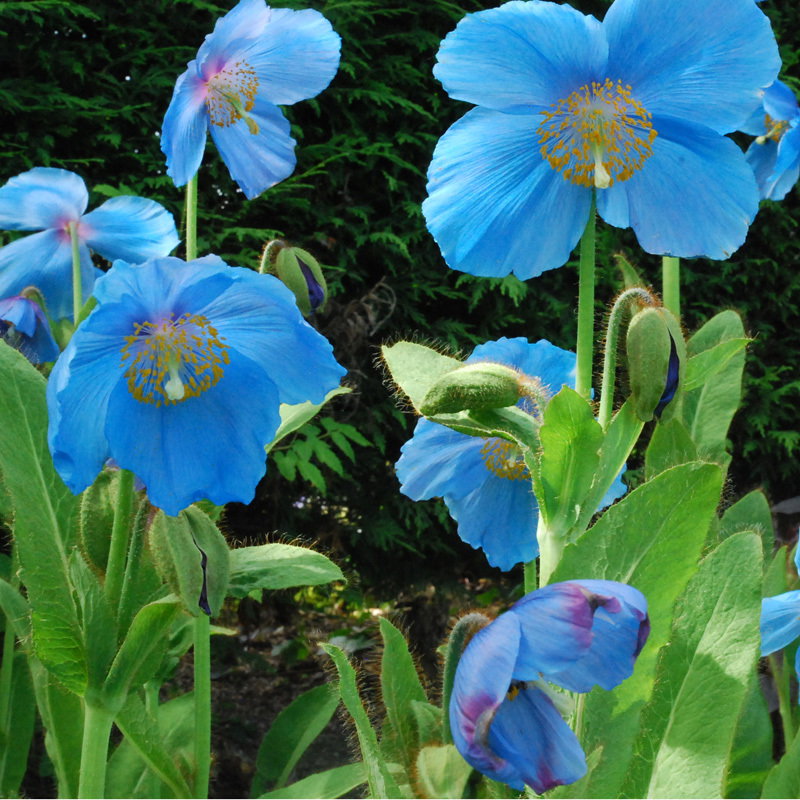
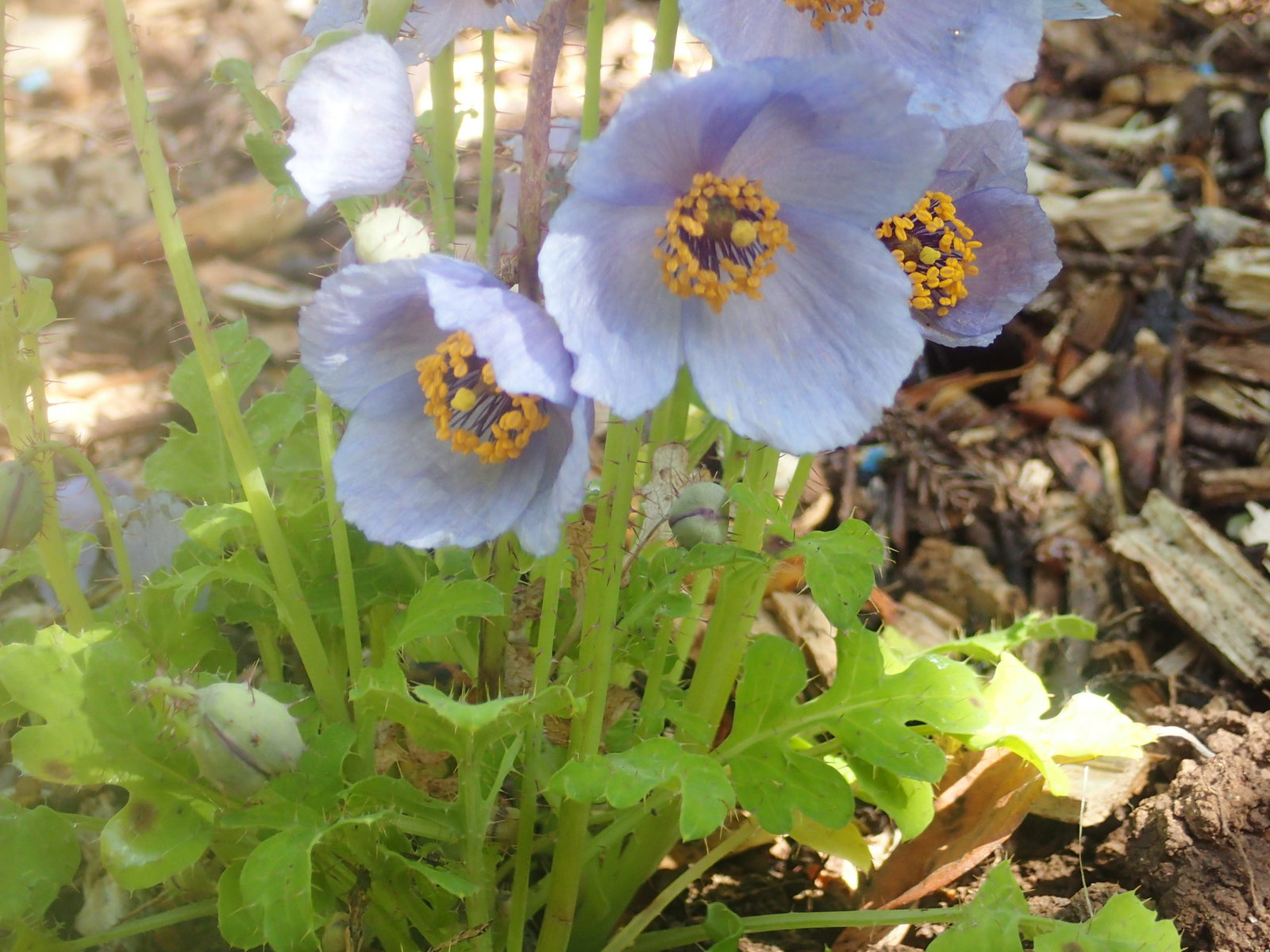
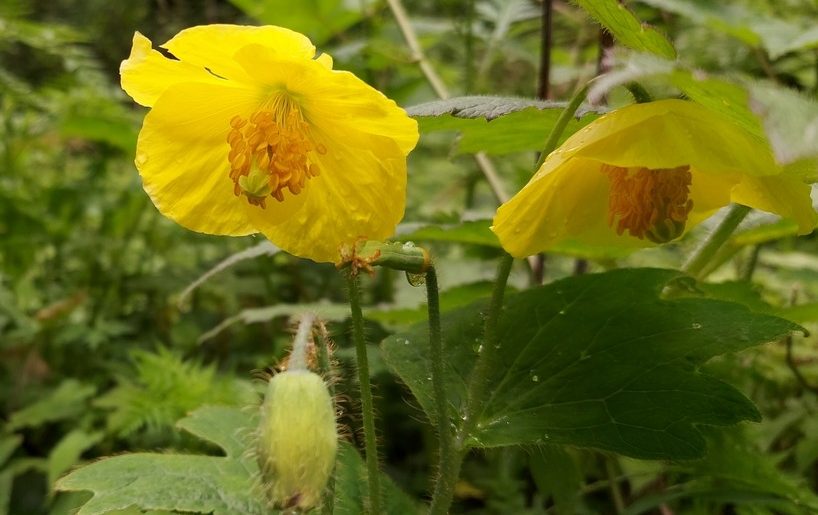
Among these, none is more iconic than Meconopsis betonicifolia, often now known as Meconopsis baileyi — the famed Himalayan Blue Poppy. Discovered by the plant hunter George Forrest in 1912, this species became a horticultural sensation. Forrest’s description of its “flowers of unearthly blue” captured the imagination of Western gardeners, and soon packets of its precious seed found their way to Britain, where enthusiasts sought to recreate a slice of the Himalayas in their own borders. Close kin include Meconopsis grandis, revered for its deeper, richer blues and substantial rosette-forming habit; and Meconopsis integrifolia, the Yellow Tibetan Poppy, whose golden, tissue-thin petals illuminate rocky alpine slopes. Other Himalayan forms such as Meconopsis paniculata and Meconopsis napaulensis lend architectural presence, their tall, stately spires adding drama to any cool, moist garden corner.
A Chapter in Botanical Adventure
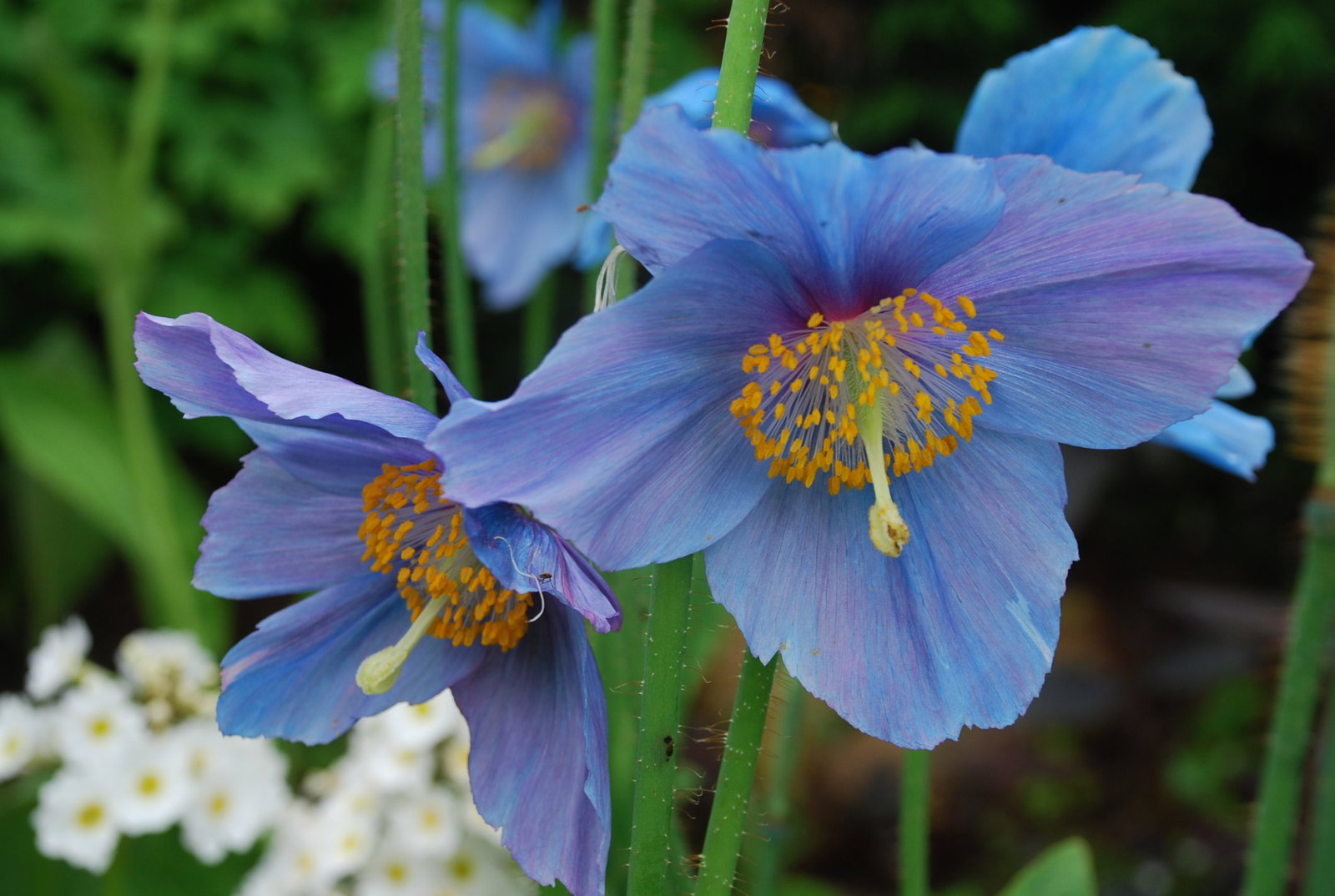
The story of Meconopsis is inseparable from the great age of botanical exploration. In the late 1800s and early 1900s, British plant hunters like Frank Kingdon-Ward, George Forrest, and Joseph Rock braved monsoon rains, snow passes, and political unrest to bring home seeds and pressed specimens of plants never before seen in Europe. Their letters spoke in awed tones of entire hillsides washed in blue — “a sea of colour more vivid than sky itself.” These explorers, often funded by botanical gardens and private patrons, endured immense hardship to collect seeds that would become the foundation of countless modern garden strains. Today, hybrids such as Meconopsis ‘Lingholm’ — a fertile cross descended from Forrest’s and Kingdon-Ward’s discoveries — continue that legacy, thriving in British gardens as one of the most reliable perennial blue poppies.
How to Grow Meconopsis in the UK
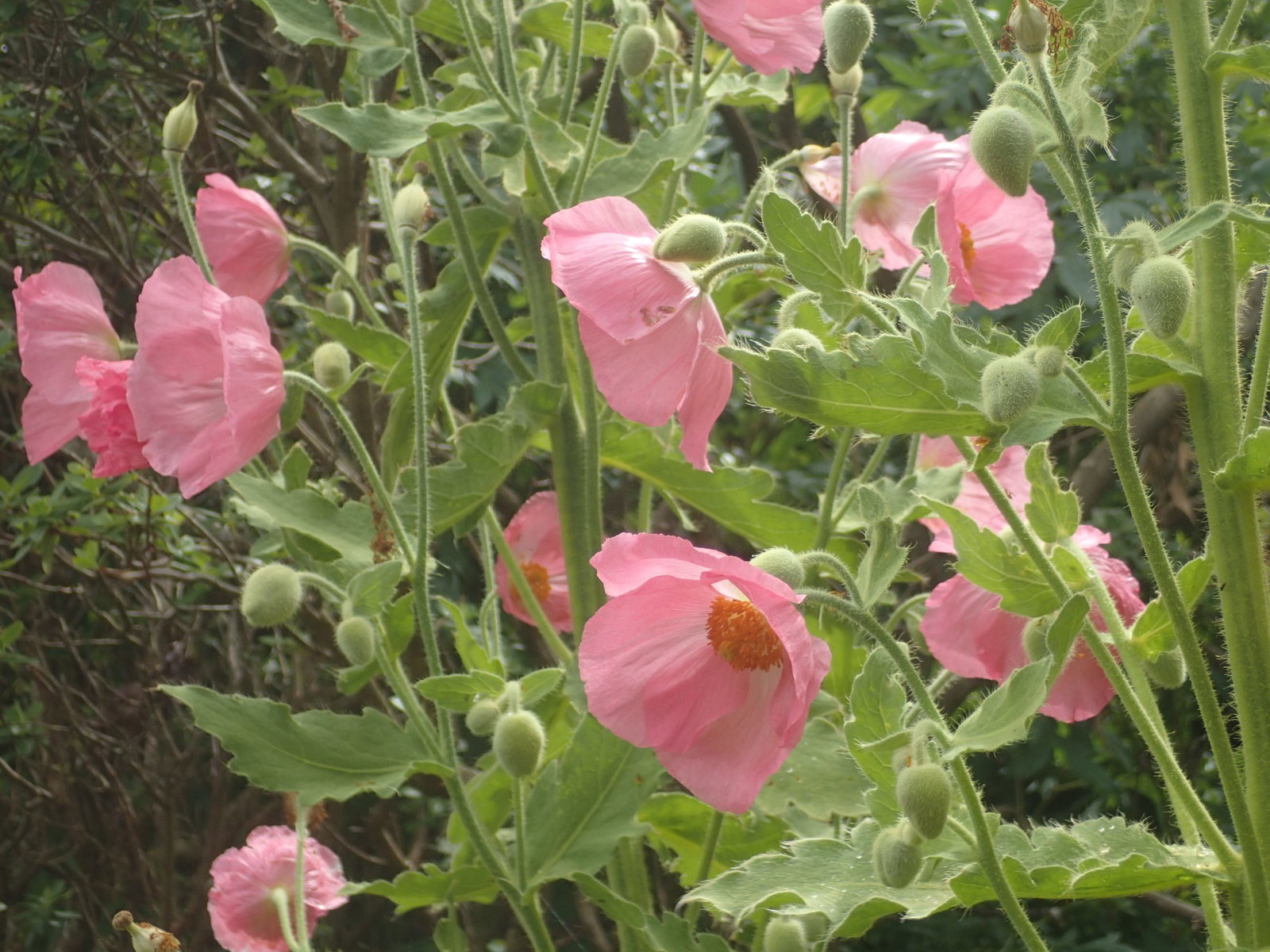
While their mountain origins may sound forbidding, these plants respond wonderfully to the right touch of care. Think of their natural home — cool air, gentle shade, moist soil, and steady humidity — and you will have the secret to success.
Light: Dappled or semi-shade; bright morning light with afternoon protection suits them perfectly.
Soil: Rich in humus and moisture-retentive, yet free-draining. Incorporate leaf mould, fine bark, or well-rotted compost before planting.
pH: Slightly acidic soil (pH 5.5–6.5) encourages strong growth and truer blue tones.
Moisture: Keep evenly moist throughout summer. Mulch with composted bark or leaf mould to maintain a cool root zone.
Temperature: Cool summers and mild, damp winters — conditions the British climate often provides beautifully.
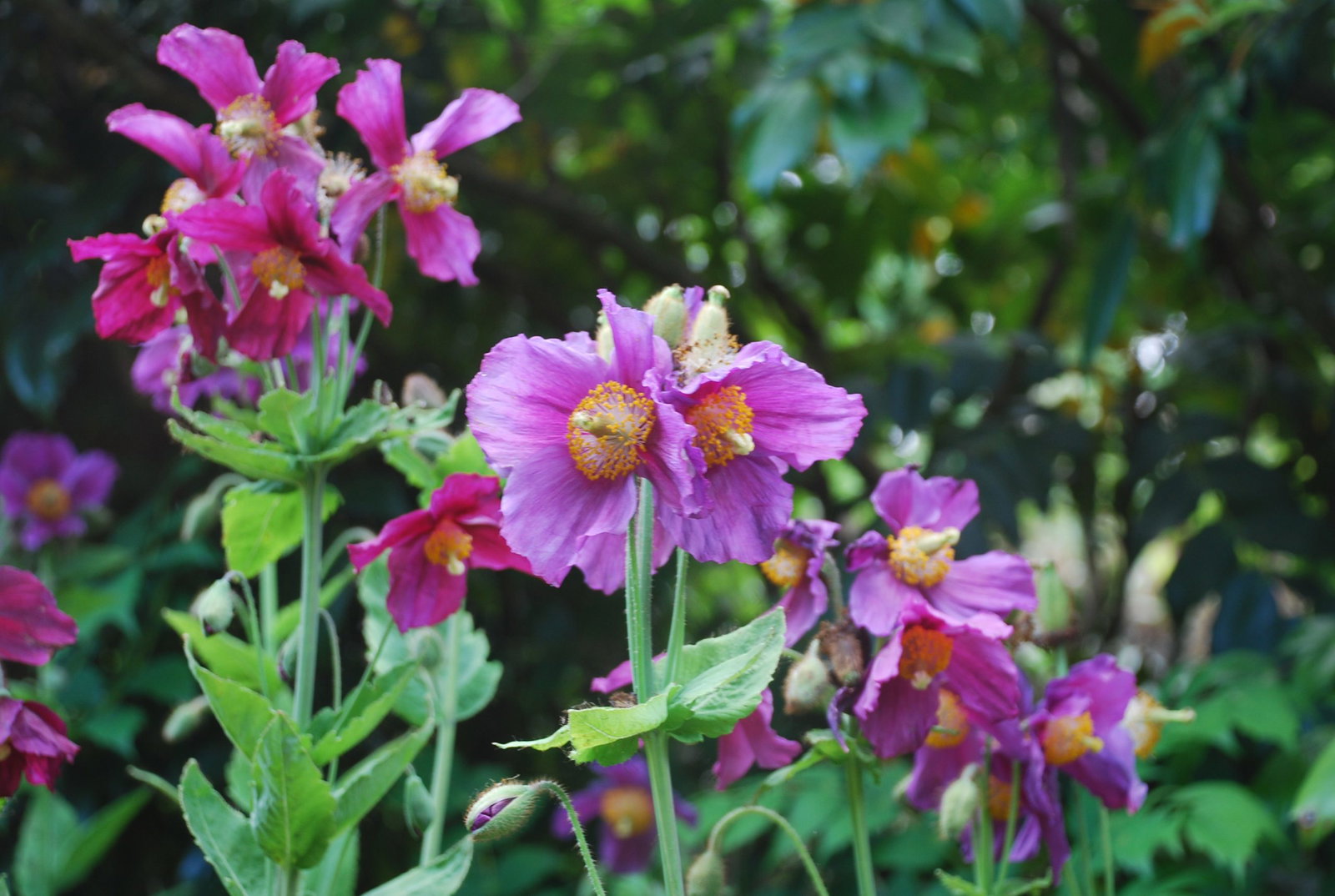
Sowing from seed: Sow in early spring or autumn. Scatter the fine seed thinly on the surface of moist compost and leave uncovered, as light aids germination. A period of cold — even a few weeks outdoors in winter — can help break dormancy. Germination is often slow and uneven, but well worth the patience. Pot on seedlings individually and grow in a sheltered, shaded position until ready for the garden. Perennial forms such as Meconopsis ‘Lingholm’ and M. grandis can be divided every few years in early spring to maintain vigour. Annual and monocarpic species may self-seed gently if left undisturbed, creating natural colonies over time.
Plant Companions and Garden Setting
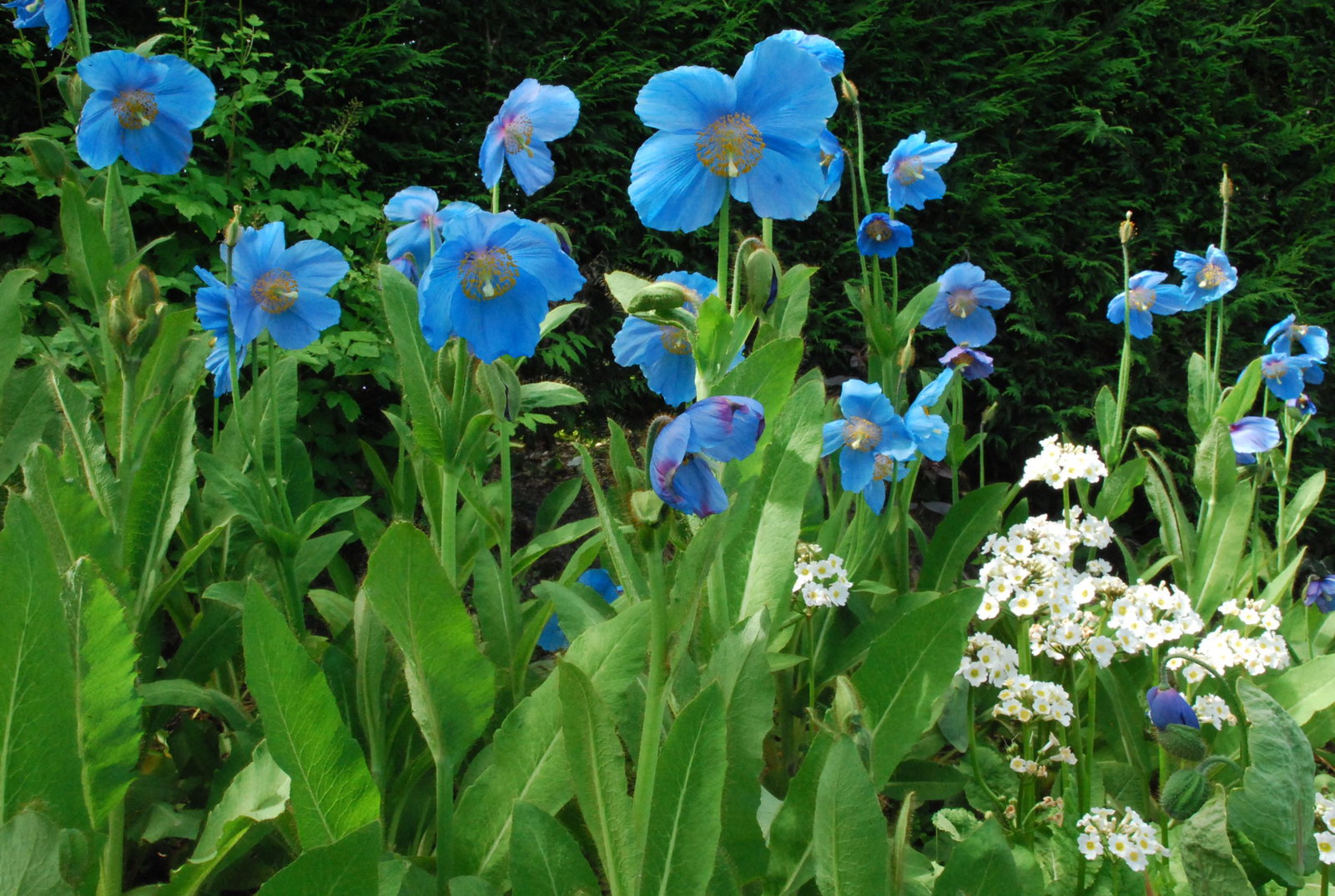
Pair Meconopsis with moisture-loving shade perennials such as Hosta, Astilbe, Primula japonica, and Ferns, whose soft textures and varied greens complement the brilliance of the blue poppy blooms. A woodland or stream-side planting provides the ideal backdrop, evoking the damp glades of their Himalayan homeland. In cooler, moisture-laden regions — Scotland, northern England, or the west of Ireland — Meconopsis often find their happiest home, flourishing in lingering mists and mossy air.
Echoes of the Himalayas
To nurture a clump of Meconopsis is to form a quiet connection with the wild Himalayas themselves. Every bloom tells a story of endurance and beauty — of flowers that defy thin air and ice to bring forth impossible colour. In a shaded border or beneath the canopy of birch and oak, they become living echoes of those distant alpine meadows. When the first buds unfurl, revealing that unmistakable blue, one feels not just pride but reverence — a reminder that even in our cultivated gardens, the spirit of the mountains can take root.
In Summary
Genus: Meconopsis — the Himalayan Blue Poppies
Region of Origin: Himalayas, Tibet, Western China
Notable Species: Meconopsis baileyi, Meconopsis grandis, Meconopsis integrifolia
Ideal Conditions: Cool, moist, semi-shaded, humus-rich soil
Best UK Forms: Meconopsis ‘Lingholm’ and other perennial hybrids
The joy of Meconopsis lies not just in their colour, but in their character - flowers of patience and persistence, echoing the rhythm of the mountains from which they came. In tending them, we glimpse something timeless: that even the rarest beauty, when given understanding and care, can find a home in our own gardens.