

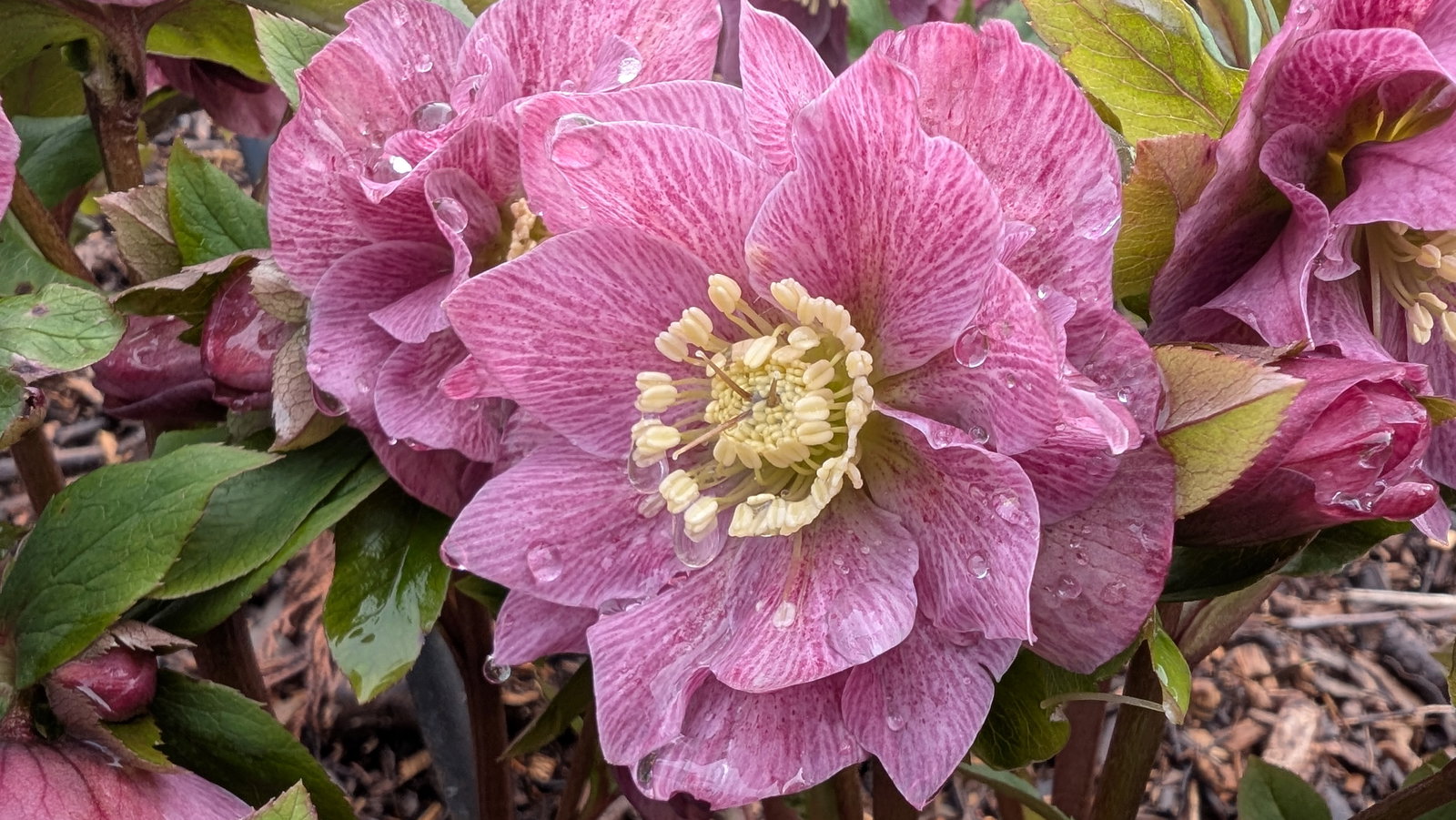
Hellebores are the quiet heroes of the winter garden. As frost clings to bare branches and most plants lie dormant, these elegant perennials emerge with nodding blooms—soft creams, dusky pinks, inky purples, and exquisitely speckled forms. At a time when colour is scarce, they bring a quiet, enduring beauty.
While many gardeners opt for ready-grown plants, those with a deeper appreciation for the craft understand that growing hellebores from seed offers something far richer—both in experience and in result.

Why Grow Hellebores from Seed?
There is a particular satisfaction in raising hellebores from seed. Plants grown this way establish strong, resilient root systems and adapt naturally to their surroundings, often proving longer-lived and more robust.
More importantly, no two seedlings are ever quite the same.
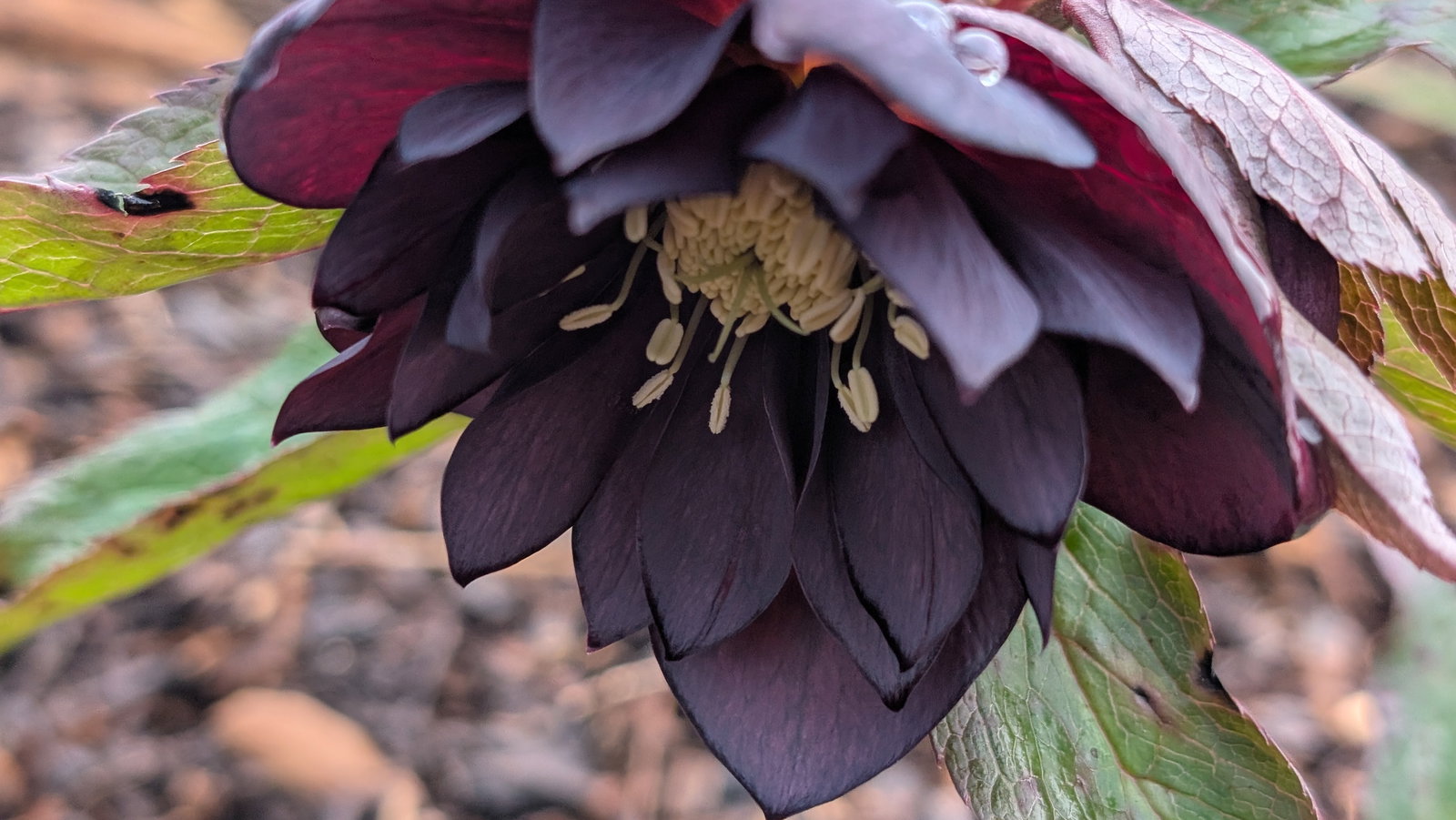
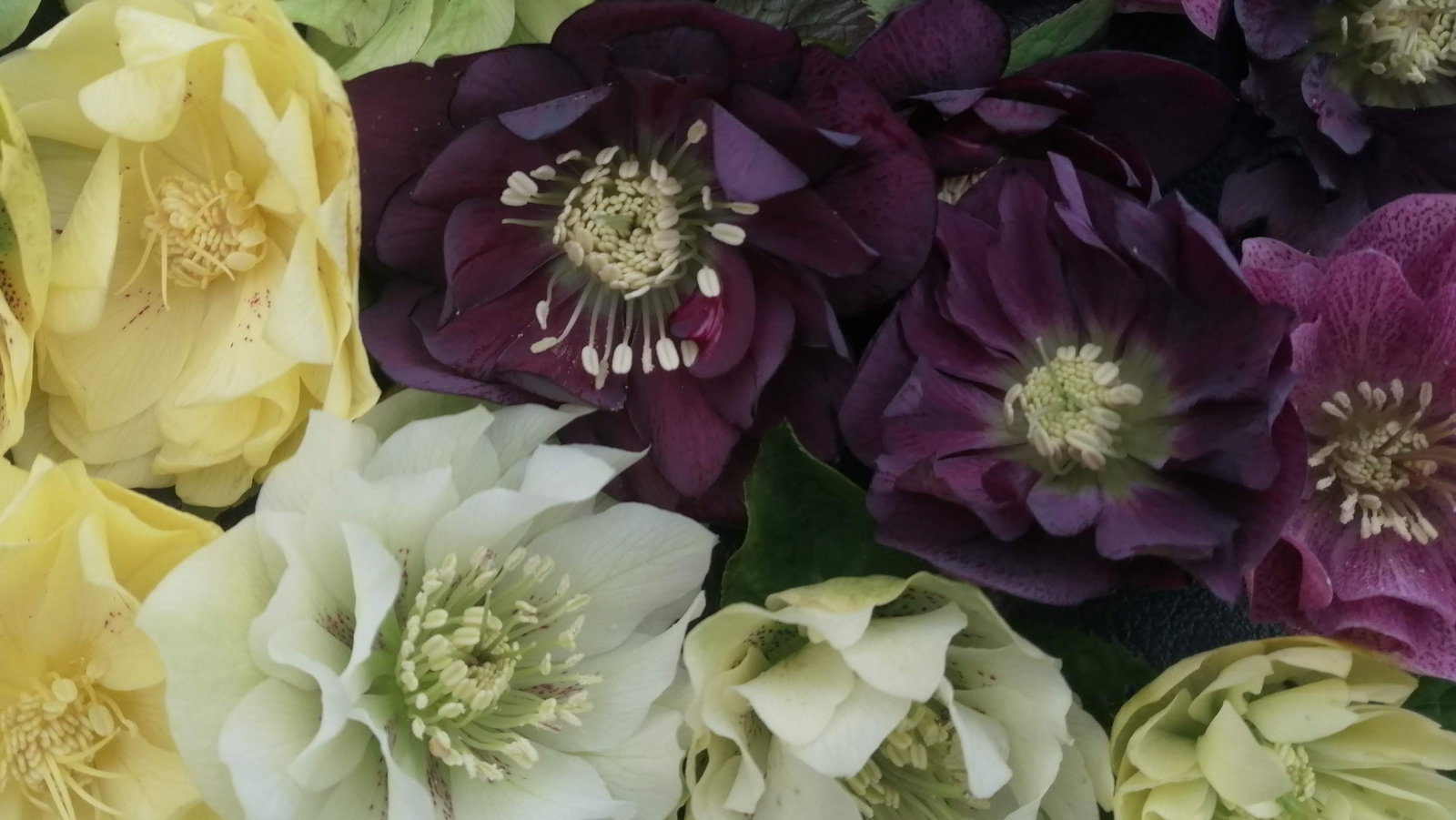
Unlike cloned plants, seed-raised hellebores produce a remarkable diversity of colour, pattern, and form. From subtle veining to bold freckling and unexpected tonal shifts, each plant carries its own character. Over time, this creates a tapestry of variation that simply cannot be replicated by uniform stock.
For the gardener, this is where the real magic lies—anticipation, surprise, and the quiet pride of nurturing something entirely your own.
Pictured Right - David Howard - Former Head Gardener at Highgrove House
Sowing: The Key to Success
Success with hellebore seed begins with one essential principle: freshness.
Hellebore seeds are short-lived and should be sown as soon as possible after harvesting. In nature, they fall to the ground in early summer, experience the warmth of late summer, then the chill of winter before germinating as temperatures rise.
To replicate this natural cycle:
Use a deep seed tray or pot filled with a free-draining compost, such as John Innes No. 2 mixed with added grit.
Sow the seeds thinly on the surface and press them gently into the compost.
Cover lightly with a fine layer of compost or grit.
Water thoroughly and place outdoors in a sheltered, shaded position.
Exposure to natural seasonal changes—warmth followed by cold—is essential to break dormancy. Avoid bringing trays indoors, as this can disrupt the process.
Patience is required. Germination is often slow and irregular, sometimes taking several months. But when the first seedlings finally emerge in late winter or early spring, the reward feels well earned.
Caring for Young Seedlings
Once seedlings appear, maintain consistent moisture without waterlogging. A cold frame or unheated greenhouse provides ideal conditions—cool, bright, and protected.
When seedlings develop their first true leaves, they can be carefully pricked out into individual pots. Handle them gently, as young roots are fine and easily disturbed.
Growth in the first year is steady rather than rapid. By the following season, plants will have gained enough strength to be planted into their permanent positions—beneath deciduous trees, along woodland margins, or within shaded borders where their evergreen foliage provides structure throughout the year.
A Reward Worth Waiting For
Growing hellebores from seed is not an exercise in haste. It is a slower, more considered process—one that rewards patience with plants of real character and longevity.
Each seedling holds the potential for something unique: a new shade, an unexpected marking, a subtle refinement of form. Over time, these differences build into a collection that feels personal, evolving, and entirely your own.
For those willing to take the journey, it is unquestionably the most rewarding way to grow hellebores.
And it all begins with good seed.